Snakes, Scorpions, Owls, Birds & More: Our Visit to MToxins Venom Lab in Oshkosh, WI
The short version: MToxins Venom Lab was a small Oshkosh, Wisconsin facility — one of only nine of its kind in the world — that kept around 580 venomous animals and milked their venom for medicine and research. This post shares our first-hand visit, with 20 photos and four videos (including a live venom extraction), plus a plain-English look at how venom is collected, how it becomes antivenom, and the real-world drugs it has inspired. One note up front: the lab has since closed.
We took a drive over to MToxins Venom Lab LLC in Oshkosh, Wisconsin for a tour, and it turned out to be one of the most fascinating stops we’ve made in a long time. I’ll be honest up front: I’m not much of a snake person. But I came away genuinely impressed — by how much the staff knew, by how good the educational displays were, and by the simple fact that a quiet storefront in Oshkosh is doing work that almost nowhere else on earth is doing.
The lab keeps roughly 580 venomous animals on site, out of about 600 animals in all, and they extract real venom for medical and research use. We even got to stand just a few feet away and watch a live venom extraction from a snake, right up close.
One of only nine venom labs in the world
What surprised me most was the scale of what happens here. MToxins is one of only nine facilities in the world doing this kind of work — carefully milking venomous snakes and other animals to produce the raw extracts that go into life-saving products like antivenom. Those extracts are then refined into medicine that helps people all over the globe. It’s a strange and wonderful thing to see in person: a modest shop in Oshkosh quietly contributing to medicine on a global scale.
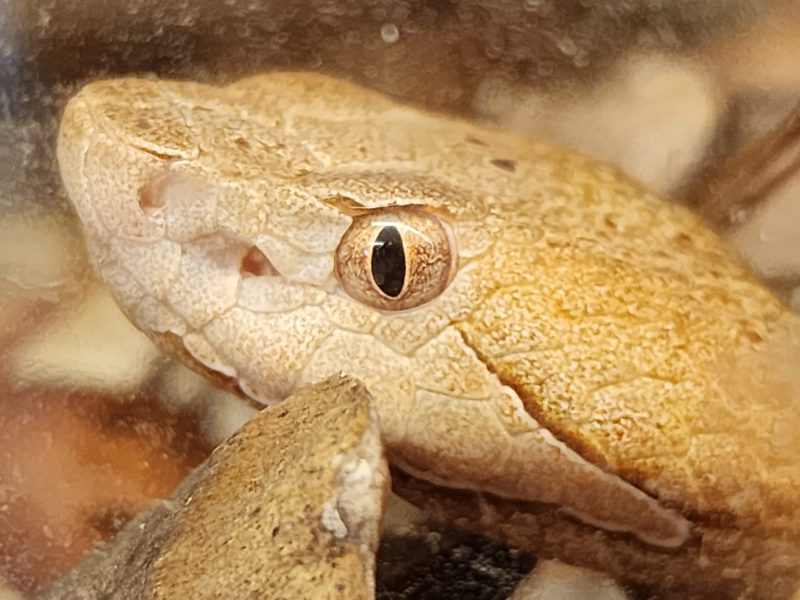
Watching a live venom extraction
The highlight was watching the team extract venom from a live snake right in front of us. The handler works calmly and deliberately — nothing about it is rushed — and you quickly understand how much skill and respect go into doing it safely. Seeing it up close gave me a whole new appreciation for the animals, and for the people who work with them every day. (There’s a short video of the extraction further down the page.)
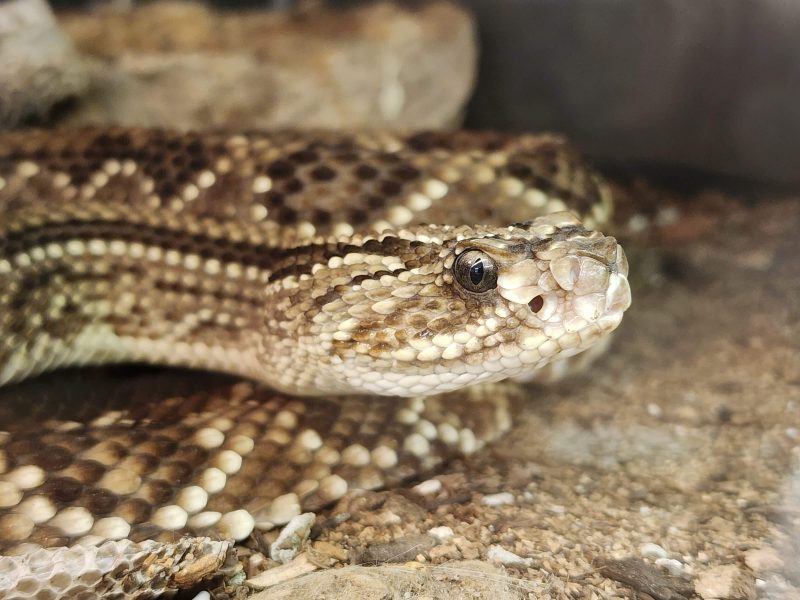
Watching it up close got me curious, so I did some reading afterward to understand what actually happens to that little vial of venom — and why a place like MToxins matters far beyond Oshkosh. The answer turns out to touch everything from emergency rooms in rural Africa to the blood-pressure pill in a lot of Americans’ medicine cabinets. Here’s what I learned.
How do you actually get venom from a snake?
“Milking” a snake is more or less what it sounds like, though it takes real skill to do safely. A handler secures the snake just behind the head and lets it bite down on the rim of a collection container covered with a thin, stretched membrane. As the fangs pierce the membrane, venom drains down into the vessel. To get a full yield, the handler often gently massages the venom glands behind the snake’s eyes, and some labs apply a tiny electrical stimulus to coax the muscles into releasing every last drop.
The amounts are surprisingly small. A single snake might give up only a few milligrams to a fraction of a gram of dried venom in a session, and individual animals are milked on a schedule — at the famous Butantan Institute in Brazil, for instance, snakes are milked roughly every 60 days. Once it’s collected, the venom is chilled right away and then freeze-dried (a process called lyophilization) into a stable powder that can be stored for years and shipped anywhere in the world. That freeze-dried venom is the raw material for everything that follows.
It’s painstaking, repetitive, and genuinely dangerous work. Beyond supplying antivenom producers, labs like this one also sell carefully characterized venom to universities and pharmaceutical researchers, who need consistent, high-quality samples to study exactly what each toxin does — and whether it might become the next drug. The people doing the milking are the quiet first link in a chain that can end with a hospital somewhere saving a life. The short clip further down is the extraction we got to watch.
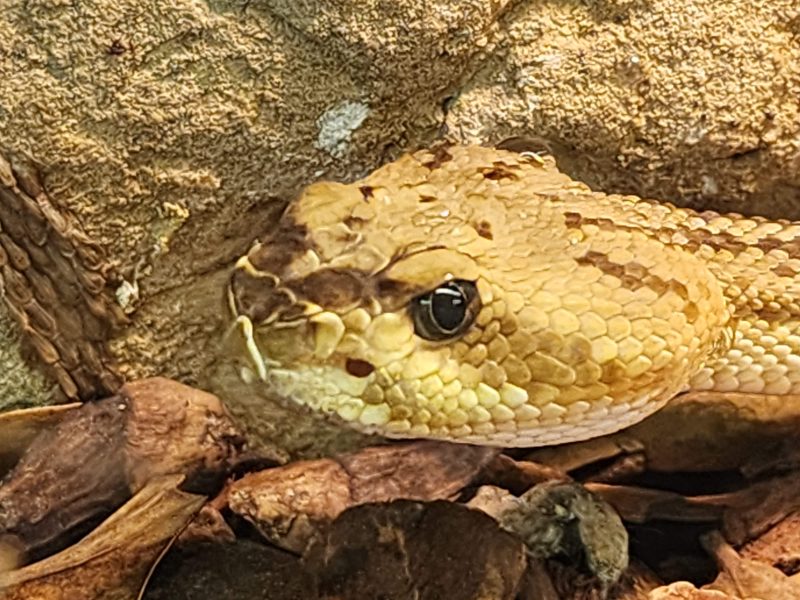
What’s actually in venom — and what it does
Part of what makes venom so useful (and so dangerous) is how complex it is. Venom isn’t a single poison; it’s a cocktail of dozens or even hundreds of different proteins, peptides, and enzymes, and the exact recipe varies from species to species — and even between individual snakes of the same species, depending on age, diet, and geography. Broadly, the active ingredients fall into a few families. Enzymes such as phospholipase A2, metalloproteinases, and serine proteases break down tissue and interfere with blood. Smaller toxin molecules target specific systems with frightening precision.
Those ingredients are usually grouped by what they do to the body. Neurotoxins attack the nervous system, jamming the signals between nerves and muscles — the danger with cobras, mambas, and many sea snakes, where the real threat is paralysis and, eventually, the muscles you breathe with. Hemotoxins wreck the blood and blood vessels, causing uncontrolled bleeding or dangerous clotting — the calling card of many vipers and rattlesnakes. Cytotoxins destroy tissue directly around the bite, which is part of why some envenomations lead to amputations. Most venoms blend several of these effects at once. Knowing exactly which toxins a species carries is what tells doctors how a bite will behave, and tells antivenom makers precisely what their product has to neutralize — which is why characterizing venom, not just collecting it, is such an important part of the work.
From venom to antivenom: making the antidote
Here’s the part that surprised me most: the cure for a venomous bite starts with the venom itself. To make antivenom, labs inject small, slowly increasing doses of that purified venom — mixed with an adjuvant that revs up the immune system — into a large host animal, most often a horse (sheep and goats are sometimes used too). Horses are the go-to because they’re big, hardy, even-tempered, and available almost everywhere in the world.
The animal’s immune system responds the way it would to any threat: it builds antibodies that recognize and neutralize the venom’s toxins. After roughly eight to ten weeks, those antibody levels peak, and the lab collects a few liters of blood plasma — essentially a supervised blood donation that doesn’t harm the horse. Technicians then purify out the antibodies, often trimming them into smaller fragments (called Fab or F(ab’)2 fragments) to lower the odds of an allergic reaction in patients, and freeze-dry the result into vials. The basic recipe is more than a century old — Albert Calmette produced one of the first antivenoms against cobra venom back in the 1890s, and Brazil’s Vital Brazil pioneered species-specific antivenoms soon after — and remarkably, the fundamental approach still hasn’t changed.
One important catch: antivenom is largely specific to the snakes it’s made from. An antivenom raised against North American rattlesnakes won’t necessarily do much against an African mamba or an Asian cobra, because the toxins are different. That’s why so many different venoms have to be collected and characterized in the first place, and why antivenom comes in “monovalent” (one species) and “polyvalent” (several species) versions. It’s also why the World Health Organization keeps antivenom on its list of essential medicines: for a serious envenomation, it’s the only treatment that actually works.
Getting that antivenom into a patient is its own race against time. It has to be given in a hospital, usually through an IV drip, and the sooner the better — the longer the toxins circulate, the more damage they do. Even then it’s not a magic bullet: antivenom can halt and reverse the effects of the venom, but it can’t rebuild tissue that’s already been destroyed, and because the antibodies come from another species, some patients react to the treatment itself and need close monitoring. It’s a powerful, genuinely life-saving medicine — and also a reminder of why avoiding the bite in the first place matters so much.
Venom as medicine: the drugs that began as snake toxins
Antivenom is only half the story. Snake venom is, chemically, an astonishingly sophisticated mixture — a single species’ venom can contain dozens to hundreds of different proteins and peptides, each one finely evolved to hijack some specific system in the body: blood pressure, blood clotting, the nervous system, muscle control. To a pharmacologist, that precision is a gift. If a molecule evolved to shut down one exact biological pathway, it might be reverse-engineered into a drug that does the same thing on purpose.
The landmark example is captopril. Researchers noticed that the venom of the Brazilian pit viper, the jararaca (Bothrops jararaca), caused a dramatic drop in blood pressure. Working in the late 1960s and 1970s, the pharmacologist John Vane and the Brazilian scientist Sérgio Ferreira traced that effect to peptides in the venom that block an enzyme called ACE (angiotensin-converting enzyme). That work led directly to captopril, approved in 1981 — the first ACE inhibitor and the first drug ever developed from a snake-venom lead molecule. The entire family of blockbuster blood-pressure medications that ends in “-pril” traces back to that viper.
It didn’t stop there. Eptifibatide (sold as Integrilin), a blood thinner given during heart attacks and cardiac procedures, was derived from a protein called barbourin found in the venom of the southeastern pygmy rattlesnake. Tirofiban (Aggrastat) is a similar anti-clotting drug inspired by a protein in saw-scaled viper venom. Venom from Russell’s viper is even used in a standard laboratory blood-clotting test. And researchers today are actively mining venoms — from snakes and other animals — for new painkillers, cancer therapies, antibiotics, and clot-busters. (The diabetes drug exenatide famously came from the venom of the Gila monster, a lizard, which shows just how deep this well runs.) The very chemistry that makes these animals dangerous is also what makes them medically priceless — and none of it can be harnessed without facilities that collect and study the venom first.
Why are venoms such fertile ground for drug hunters? Because evolution has already done the hard part. Each toxin has been refined over millions of years to hit one molecular target with enormous potency and selectivity — precisely the qualities that make a good drug with few side effects. The powerful painkiller ziconotide, for example, comes from the venom of a marine cone snail, and labs are now screening spider, scorpion, and other animal venoms for chronic-pain treatments, cancer drugs, and more. Out of the countless venom components in nature, only a tiny fraction have ever been studied, which is why researchers often describe venom as one of the most promising and least-explored libraries of molecules on the planet.
Why it matters: snakebite is a global health crisis
It’s easy to forget all of this in Wisconsin, where genuinely dangerous snakes are rare. But globally, snakebite is one of the most overlooked public-health problems there is. By the World Health Organization’s estimates, somewhere between 1.8 and 2.7 million people are seriously envenomed by snakes each year, between roughly 80,000 and 140,000 of them die, and around 400,000 more survivors are left with permanent disabilities or amputations. The burden falls hardest on poor, rural farming communities across sub-Saharan Africa, South and Southeast Asia, and Latin America. The WHO formally classified snakebite envenoming as a priority neglected tropical disease in 2017, and set a goal of halving deaths and disability by 2030.
The hard part is that the antivenom supply chain is fragile. Producing safe, effective antivenom depends on a relatively small number of facilities that can collect high-quality venom and manufacture and validate the finished product, and shortages are a recurring problem — sometimes a region’s only suitable antivenom goes out of production entirely. That’s the context that made a modest operation like MToxins genuinely important. By their own account it was one of only nine facilities of its kind in the world, which means a storefront in Oshkosh was a small but real node in a global medical supply chain.
Cost and logistics make it worse. A full course of antivenom can be ruinously expensive for the rural families most likely to need it, and many products have to be kept cold and used quickly — hard to manage in exactly the remote places where bites tend to happen. Improve the supply of good venom and well-made antivenom, and you solve a huge part of the problem, which is why the unglamorous work of collecting and characterizing venom — in places like this one — sits right at the foundation of it all.
I walked in expecting to look at a few snakes and leave. I walked out with a lot more respect — for the animals, for the chemistry packed into a few drops of venom, and for the people who handle it every day so the rest of us can benefit from it. Not bad for an afternoon in Oshkosh.
Not just snakes — owls, birds, and a blue-and-gold macaw
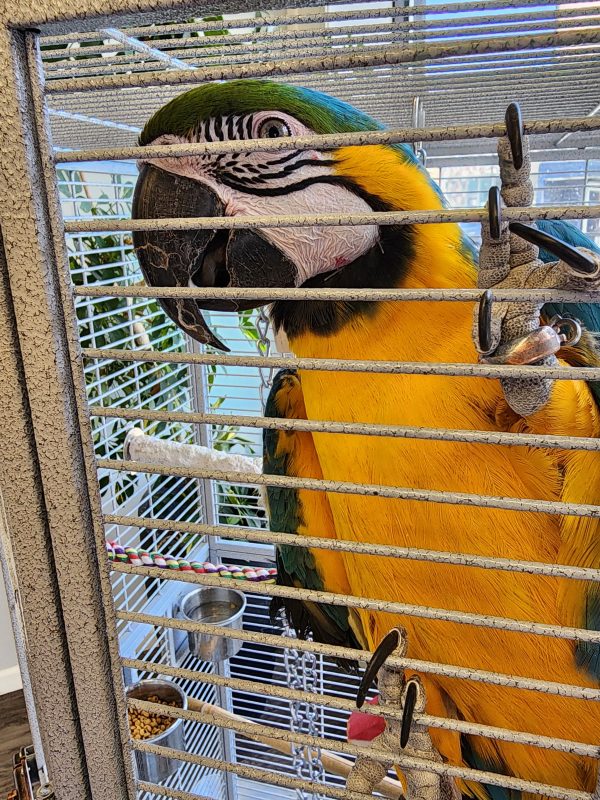
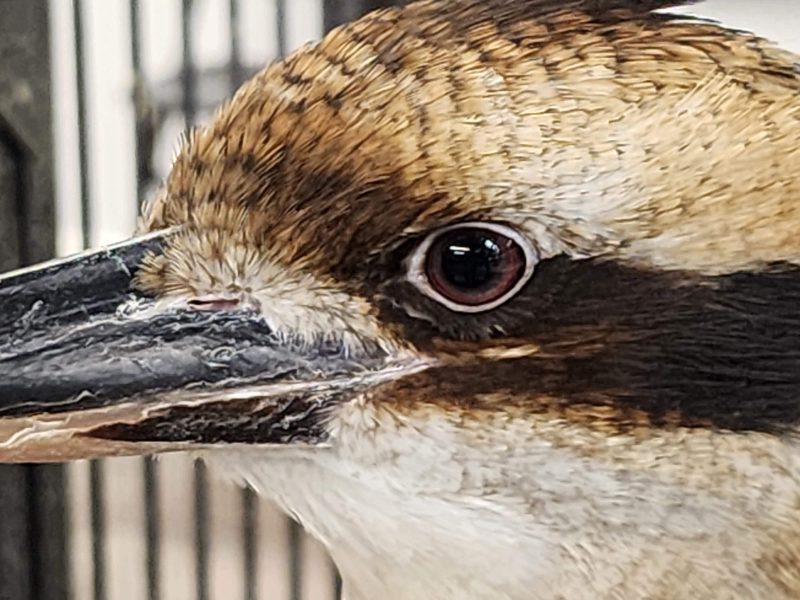
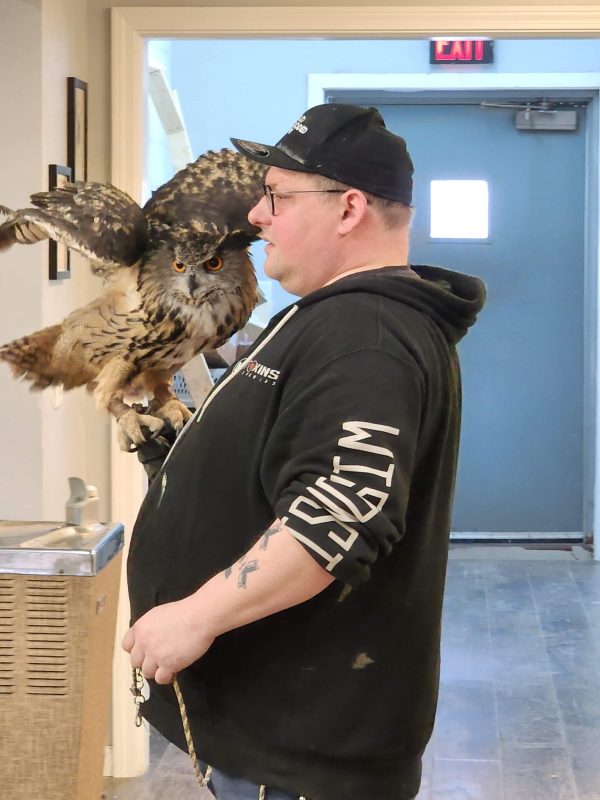
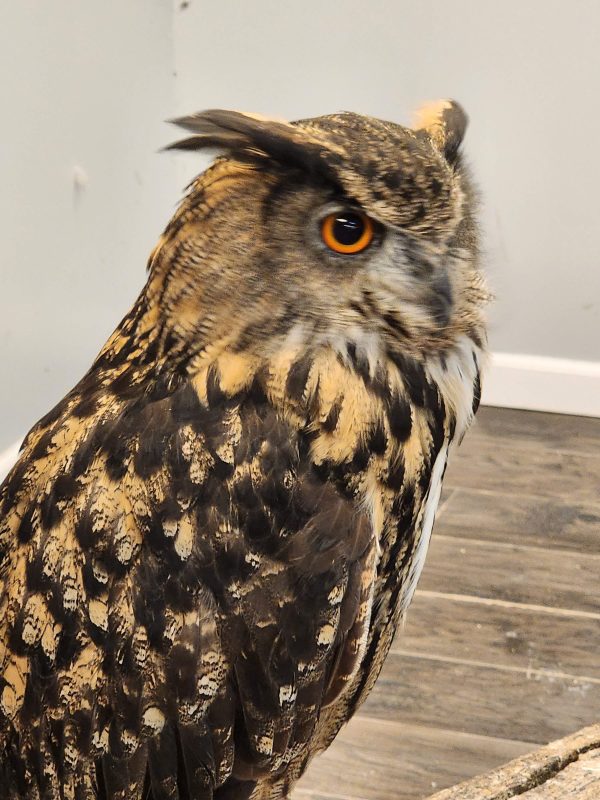
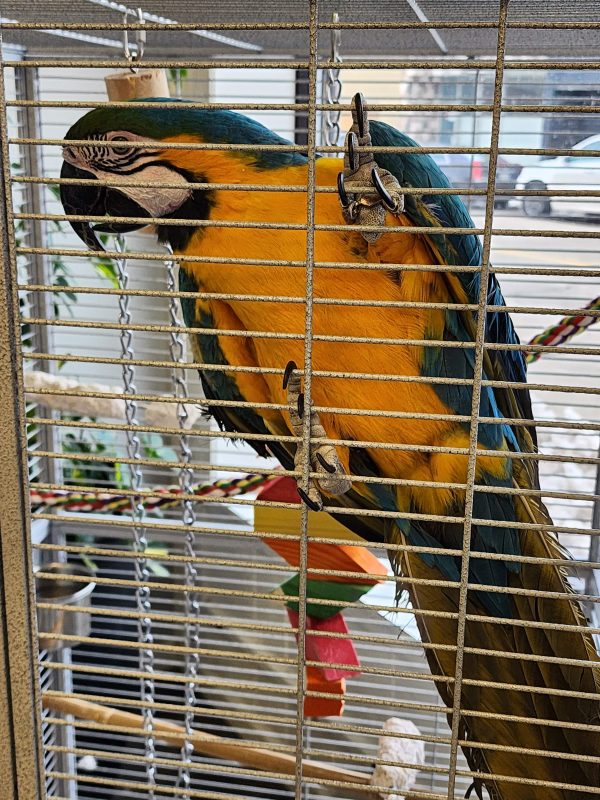
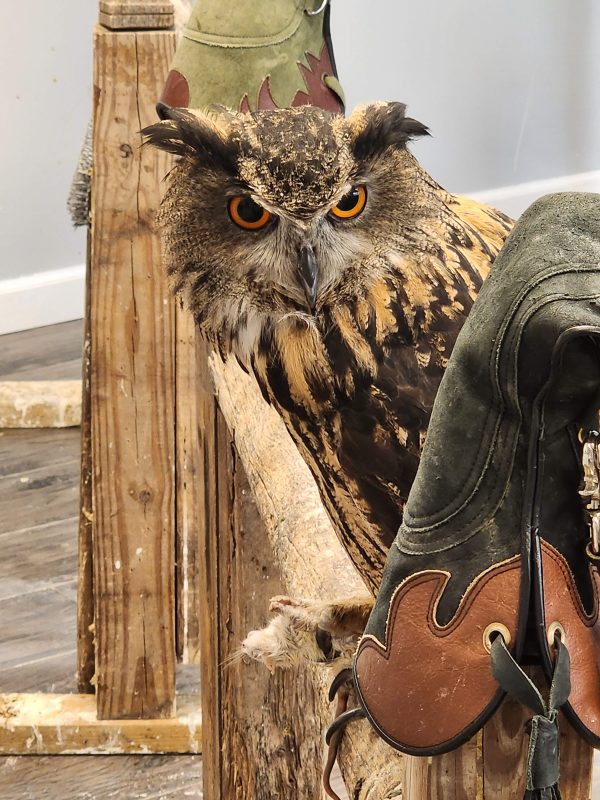
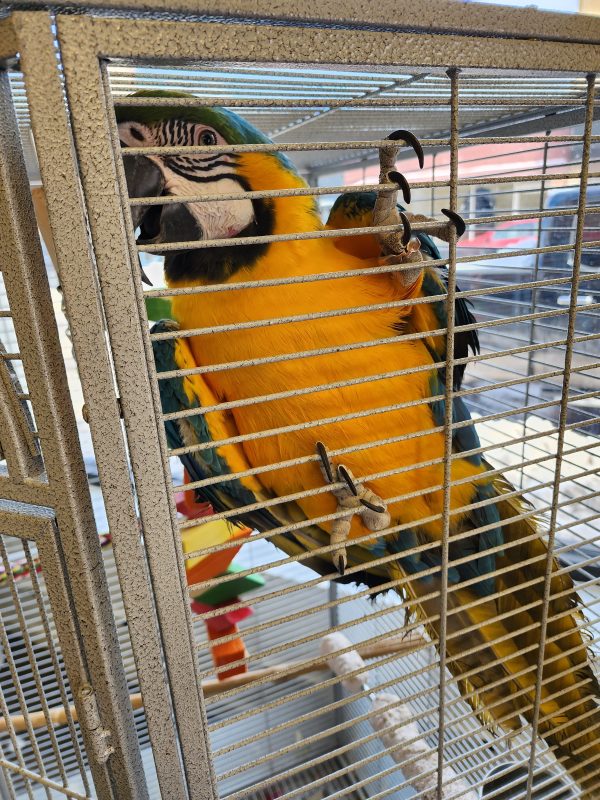
It’s not all reptiles, either. One of the unexpected stars of the visit was a Eurasian eagle-owl — a huge, striking bird with deep orange eyes that seem to look right through you. A staff member even brought it out so we could see it up close, wings and all. There’s also a friendly blue-and-gold macaw that clearly loves the attention, and a laughing kookaburra, which is definitely not a bird you expect to meet in Wisconsin.

Tortoises, lizards, and a few surprises
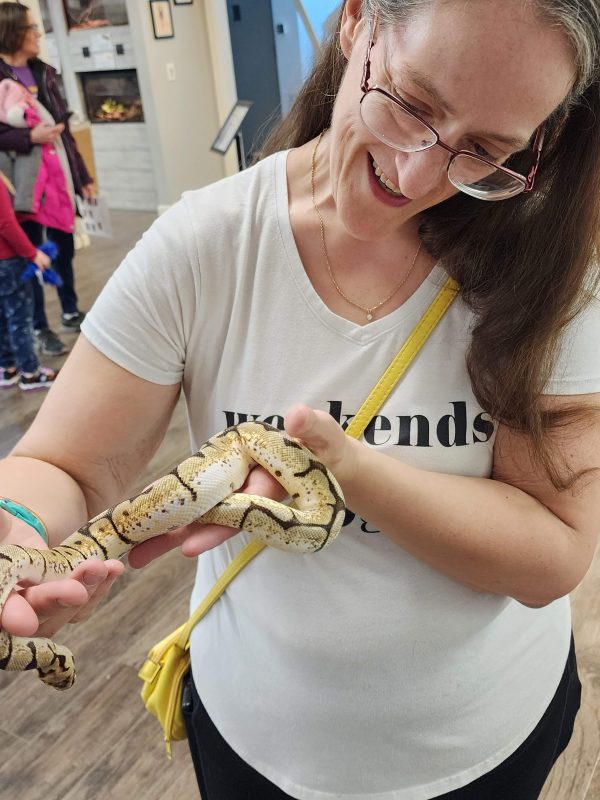
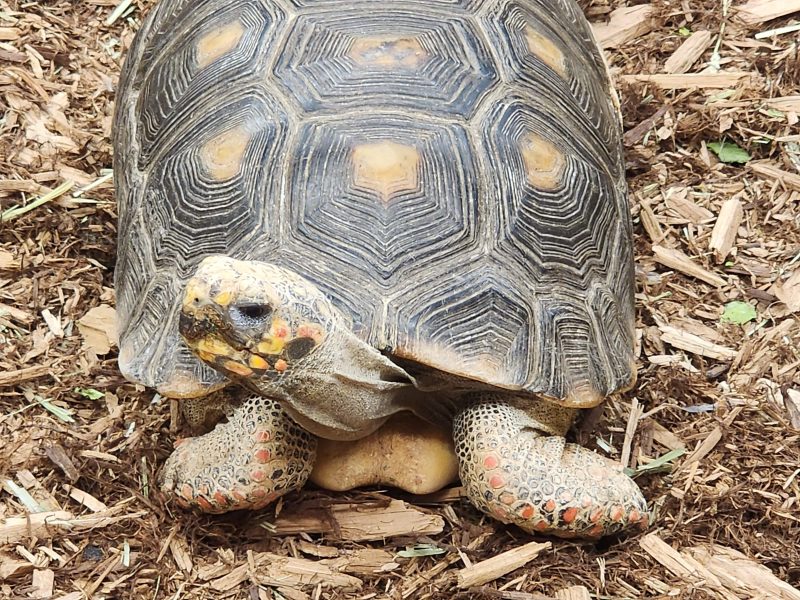
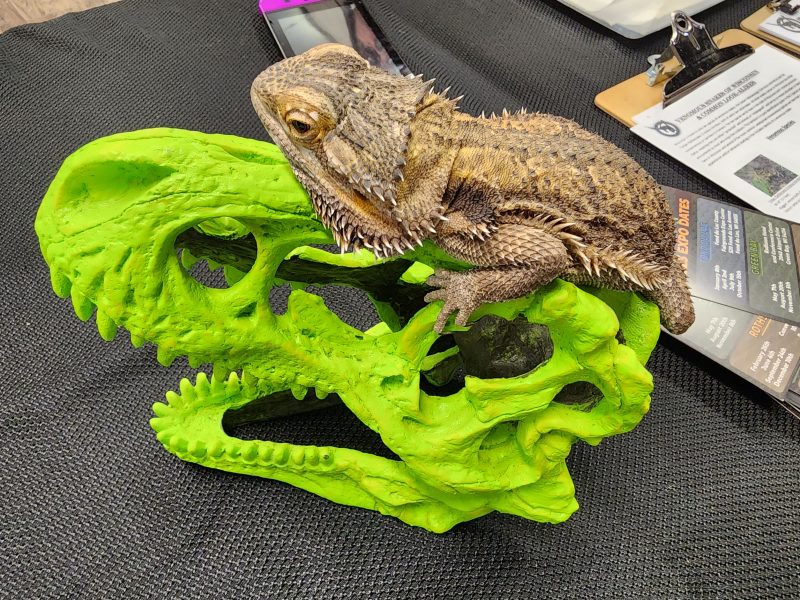
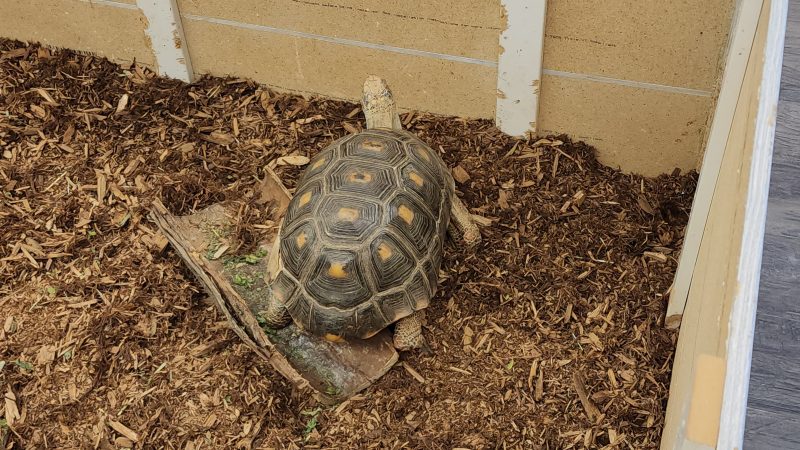
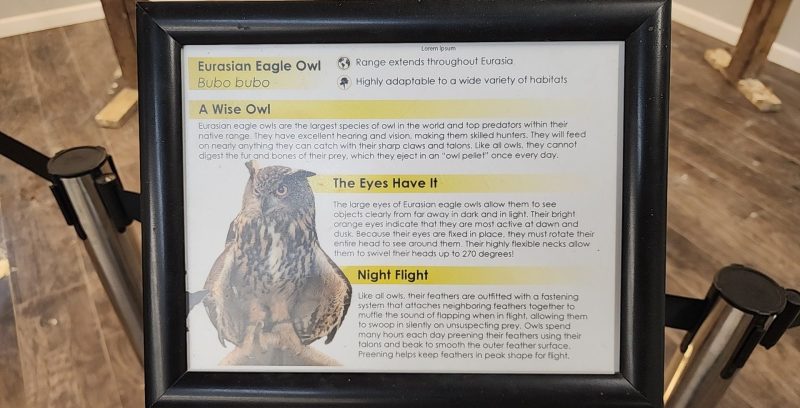
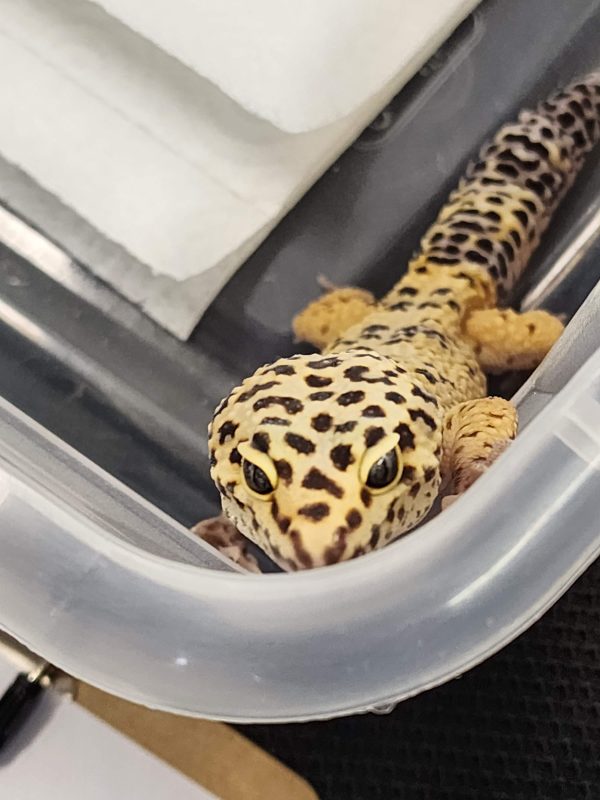
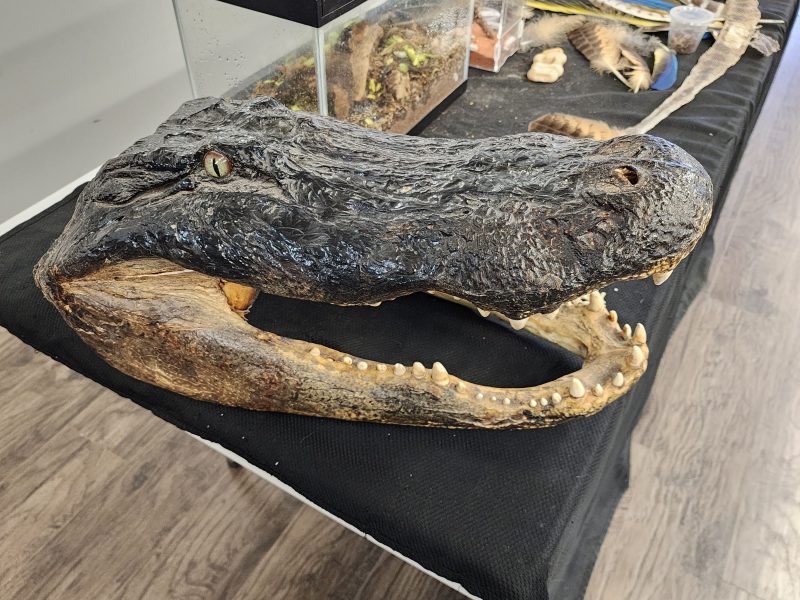
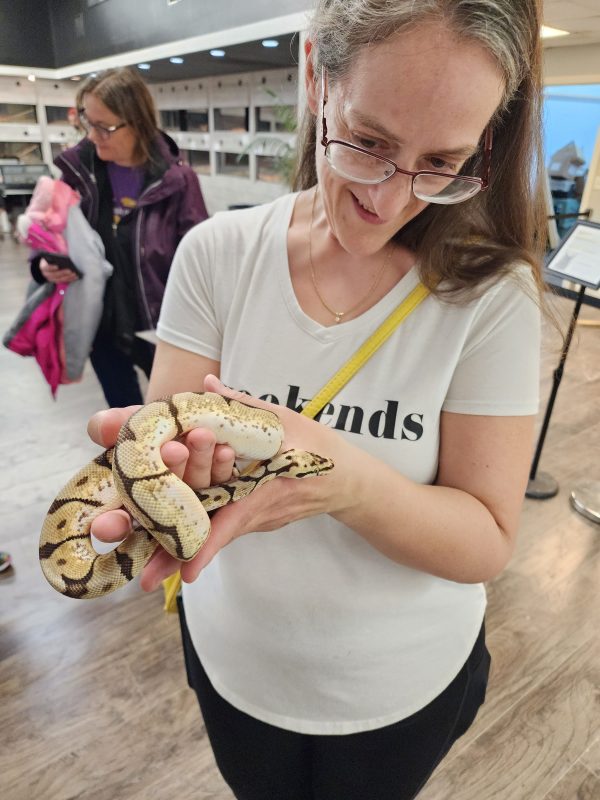
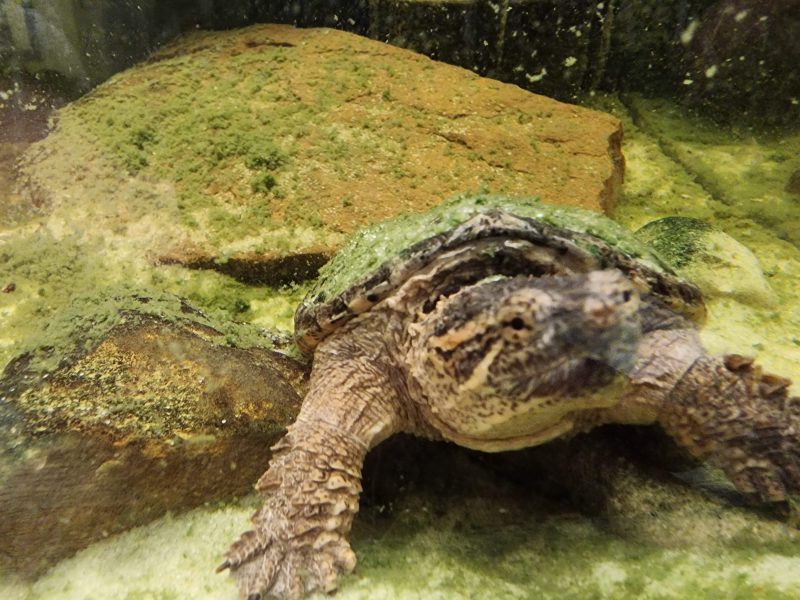
Beyond the venomous collection, there’s a whole cast of other animals and specimens to meet. A red-footed tortoise plodded around its enclosure, a snapping turtle lurked in its tank, and a leopard gecko and a bearded dragon rounded out the reptile lineup. For the brave, the staff even let visitors hold a calm, friendly ball python — a perfect, low-stress introduction for anyone who’s a little nervous around snakes. There are preserved specimens you can examine closely too, including an alligator skull, and the educational signage throughout is genuinely well done. If you enjoy this kind of up-close animal visit, you might also like our day at The Little Farmer.
Planning your visit
Address: 717 Oregon St, Oshkosh, WI 54902
Web: MToxins Venom Lab unfortunately appears to have ceased operations, and their website is no longer active. They were a truly one-of-a-kind facility — a real gem for the Oshkosh area, and a genuine loss for anyone interested in reptiles and venom research.
Looking for more to do around Oshkosh? We’ve also spent an afternoon at the Paine Art Center and Gardens and stopped in at an AKC Shih Tzu dog show in town — both worth a look if you’re putting together a day in the area.
Photos from our visit
Here’s the full set of photos from the day — click any image to view it larger.
Videos from the visit
Frequently asked questions
Is MToxins Venom Lab still open?
Sadly, no. As of this update, MToxins Venom Lab appears to have ceased operations and its website is no longer active. When we visited in March 2023 it was very much up and running, so the photos and videos here are a record of the place as it was.
Where was MToxins Venom Lab located?
At 717 Oregon Street, Oshkosh, Wisconsin 54902 — a storefront on the city’s south side.
What did MToxins Venom Lab actually do?
It kept roughly 580 venomous animals (out of about 600 in all) and extracted — or “milked” — their venom for medical and research use. By the lab’s own account it was one of only nine facilities of its kind in the world. It also ran as an educational attraction, with hands-on displays and animals you could meet up close.
How is venom collected from a snake?
Handlers carefully let the snake bite down on a membrane-covered container so the venom drains out, and the collected venom is then freeze-dried into a stable powder. There’s a fuller walkthrough — and a video of an actual extraction — earlier in this post.
How is snake venom used in medicine?
Two main ways. It’s used to make antivenom — the only effective treatment for a serious snakebite — and its individual toxins have inspired real pharmaceutical drugs, including the blood-pressure medication captopril and the blood thinner eptifibatide.
Are there venomous snakes in Wisconsin?
Yes, but only two, and both are rare. Wisconsin is home to the timber rattlesnake and the eastern massasauga rattlesnake, found mostly in the bluffs and river valleys of the southwestern part of the state. The massasauga is so uncommon that it’s listed as endangered, and snakebites in Wisconsin are extremely rare.
Sources & further reading
- World Health Organization — Snakebite envenoming (overview and statistics)
- Nature Communications — Global mortality of snakebite envenoming, 1990–2019
- Asclepius Snakebite Foundation — How is antivenom made?
- PLOS Neglected Tropical Diseases — Equine immunization protocols for antivenom production
- The Pharmaceutical Journal — From snake venom to ACE inhibitor: the story of captopril
- NIH / NCBI StatPearls — Eptifibatide (a snake-venom-derived antiplatelet drug)